Beautiful Things To See In South Brasil: My Quick Take

When most people dream of Brazil, their minds immediately jump to golden tropical beaches in Rio, coconut water, or the deep green canopy of the Amazon. And honestly? Fair enough! But if you only stick to the classics, you miss out on one of the country's most enchanting secrets: the South.


Down here, the air gets crisp, the forests fill with prehistoric Araucária pine trees, and the landscapes look like something out of a romantic fairytale. Grab a warm cup of coffee, and let’s take a wander through some of the prettiest spots south of the equator.
Quick Analogy: Visiting Brazil and expecting only tropical heat is like visiting the United States and assuming the whole country looks like Miami. South Brazil is essentially discovering the Pacific Northwest or cozy Central Europe hiding inside South America!

1. The Jaw-Dropping Power of Iguaçu Falls (Paraná)

Let's kick things off with a heavy hitter. Nestled on the border between Brazil and Argentina, Foz do Iguaçu is nature showing off in the absolute best way possible.

You don't just look at these waterfalls; you feel them in your chest. Walking along the boardwalk toward the "Devil's Throat" surrounds you with mist, vibrant rainbows, and a roar so deep it quiets your mind instantly. Pro tip: bring a poncho, because you will get drenched—and you’ll love every second of it.

2. Cloud-Kissed Cliffs at Itaimbezinho Canyon (Rio Grande do Sul)

If you love hiking, Aparados da Serra National Park will make your jaw hit the floor. The star of the show here is the Itaimbezinho Canyon.

Imagine standing on the edge of a massive, razor-sharp plateau while ribbons of waterfalls tumble thousands of feet down mossy rock faces into the mist below. It feels ancient, peaceful, and wonderfully untouched. On a foggy morning, walking the trail feels like wandering above the clouds.

3. Coastal Magic on the "Island of Magic" (Santa Catarina)

Florianópolis—affectionately known by locals as "Floripa"—is an island packed with over 40 distinct beaches. It’s laid-back, vibrant, and effortlessly gorgeous.

  • Joaquina Beach: Famous for towering golden sand dunes where you can rent a board and try sandboarding.
  • Campeche Island: A quick boat ride takes you to crystalline, turquoise waters that look straight out of the Caribbean.
  • Santo Antônio de Lisboa: A historic fishing neighborhood perfect for catching a pastel sunset while eating fresh local oysters.

4. The Dazzling Curves of Serra do Rio do Rastro

Are you a fan of scenic road trips? This mountain pass in Santa Catarina features more than 250 hairpin turns carved right into emerald-green mountain ridges.

Driving it is a thrilling adventure in itself, but the view from the lookout at the top (over 4,600 feet high) is breathtaking. On a clear day, you can gaze down the entire winding ribbon of road all the way out toward the distant Atlantic Ocean.

5. Vineyards and Cozy European Charm

Did you know South Brazil produces world-class sparkling wine? Head to the Vale dos Vinhedos (Valley of the Vineyards) in Rio Grande do Sul for rolling hills draped in grapevines, stone cellars, and charming family-run wineries.

Just a short drive away sits Gramado, a town that looks like a Bavarian village magically teleported to the tropics. In the winter months (June to August), locals gather around stone fireplaces to share fondue, hot chocolate, and local red wines.

Pack a Light Sweater and Go!

South Brazil is diverse, welcoming, and endlessly photogenic. Whether you're chasing thundering waterfalls, sipping wine in misty valleys, or catching waves on the coast, it’s a region that proves there’s always more to explore than the guidebooks tell you.

Have you ever been to the south of Brazil, or is it on your bucket list now? Let me know your favorite spot!



What Is Your Travel Process Like?: My Quick Take

Hey there! If you’ve ever found yourself with twenty open browser tabs at 1:00 AM comparing flight prices and hotel reviews, take comfort: you’re definitely in good company.

what is your travel process like?

Photo: Unsplash / Free Stock Imagery

Whenever someone asks me what my travel process looks like, I usually laugh because it has evolved so much over the years. I used to be an obsessive, color-coded-spreadsheet kind of traveler. Today? I lean into what I like to call "structured spontaneity." Here is a quick look behind the curtain at how I go from a daydream to stepping off the plane.

1. The "Vibe First" Brainstorm

I don't usually pick a destination based on a specific tourist checklist. Instead, I start with a feeling. Am I craving slow mornings sipping espresso by a quiet canal, or do I want salty air and neon street-food markets? Once the vibe is settled, I look for places that fit the mood—and usually let a good flight deal seal the deal.

2. Locking In the "Anchor Points"

Once the tickets are booked, I secure what I call my anchor points: the inbound flight, the return flight, and the first two nights of lodging. Knowing exactly where I’m sleeping when jet lag hits keeps anxiety away. Beyond that, I deliberately leave open days on the calendar.

Quick Analogy: Think of travel planning like making a great homemade soup. You need the base broth and a couple of hearty staples to start, but the magic happens when you leave room to toss in whatever fresh herbs and seasonal veggies you pick up at the local market along the way.

3. Building the "Saved Places" Map

Instead of mapping out an hour-by-hour itinerary, I open Google Maps and drop saved pins across the city. Whenever a friend recommends a cozy bakery or an article mentions a quiet courtyard garden, I pin it. When I'm actually wandering the city, I just check my map to see what cool spot happens to be nearby. No rushing, no rigid schedules.

4. The Carry-On Commitment

Packing used to stress me out until I embraced the carry-on-only lifestyle. My golden rules are pretty straightforward:

  • Stick to a single, neutral color palette so everything mixes and matches.
  • Use compression packing cubes (they really are worth the hype).
  • Leave a little breathing room in the bag for local treats on the way home.

5. The 70/30 Rule on the Ground

When I finally arrive, I live by a 70/30 balance: about 70% of the day has a general purpose (like visiting a museum or hiking a trail), and the remaining 30% is left totally open to chance. Some of my favorite memories have come from ducking into an unassuming neighborhood café just to escape a sudden rainstorm.

At the end of the day, travel isn't about checking every box on a top-ten list—it's about giving yourself permission to slow down and take it all in. How about you? Are you a meticulous planner or a go-with-the-flow explorer?


Why I Connect Always To A Vpn When Traveling Anywhere: My Quick Take

Hey friend!

why I connect always to a vpn when traveling anywhere

Photo: Unsplash / Free Stock Imagery

Picture this: you’ve just landed after an eight-hour flight, your legs are stiff, and you collapse into the nearest airport café. You spot a network named "Free_Airport_Guest_WiFi", and your thumb instantly taps connect so you can message your family and check your hotel reservation.

We’ve all been there. But before I type in a single password or check my bank balance while on the road, I do one tiny thing first: I flip on my VPN.

It takes literally two seconds, but it has saved me more travel headaches than I can count. Here is why it’s become my number-one travel rule, whether I’m backpacking through Europe or just working out of a coffee shop two towns over.

That Free Café Wi-Fi Isn’t as Innocent as It Looks

Open Wi-Fi networks in airports, hotels, and train stations are absolute lifesavers, but they're also completely unsecured. When a network doesn’t require a password, anyone nearby with a bit of technical know-how can potentially peek at the data moving across the airwaves.

They might not see your deepest secrets instantly, but unencrypted browsing sessions, login tokens, and sensitive details can easily get scooped up by bad actors running "man-in-the-middle" setups or spoofed hotspots.

Quick Analogy: Think of using open public Wi-Fi like mailing a handwritten postcard—anyone handling it along the route can read what's written on the back. Turning on a VPN is like placing that postcard inside an armored, tamper-proof lockbox that only you and the recipient have the key to open.

Avoiding the Dreaded "Account Suspended" Freakout

Beyond security, there’s a super practical reason I never leave home without a VPN: convenience.

Have you ever tried logging into your banking app from a hotel in another country, only to have your account instantly locked due to "suspicious foreign activity"? It’s pure panic when you’re standing in a foreign train station trying to buy a ticket.

By routing my connection through a server back in my home country, my bank and email providers see a familiar IP address. It keeps everything running smoothly without triggering automated security lockouts just because I wanted an espresso in Rome.

  • Access your usual streaming libraries: Watch the shows you pay for without running into regional blackouts.
  • Safer credit card transactions: Book tours, trains, and rooms without second-guessing who runs the hotel router.
  • Consistent browsing: Access essential tools that might otherwise be blocked by local network firewalls.

Make It Muscle Memory

Travel is supposed to be about tasting new foods, meeting cool people, and getting a little lost in the best way possible—not spending hours on hold with fraud prevention departments or recovering stolen passwords.

Grab a reliable VPN app, drop it right on your phone’s home screen, and make toggling it on the very first thing you do whenever you hop onto a new network. Trust me, future-you will be so glad you did.

Safe travels out there!


References

  • Federal Trade Commission (FTC). How to Safely Use Public Wi-Fi Networks. Consumer Advice Guide.
  • National Institute of Standards and Technology (NIST). Special Publication 800-113: Guide to SSL VPNs and SP 800-77: Guide to IPsec VPNs.
  • Cybersecurity and Infrastructure Security Agency (CISA). Securing Wireless Networks and Mobile Devices on Public Connections.

Important Of Keep Your Skin Hydriated When Traveling: My Quick Take

Ever stepped off a long flight, checked the mirror in the airport restroom, and wondered why your face suddenly looks five years older and feels like sandpaper? Trust me, you are not alone.

important of keep your skin hydriated when traveling

Photo: Unsplash / Free Stock Imagery

Travel is amazing for the soul, but it can be absolute chaos for your skin. Between dry cabin air, sudden climate changes, and disrupted sleep, your skin barrier takes a beating before you even unpack your bags.

Why Does Travel Drain Your Skin?

The biggest culprit is usually airplane air. Cruising altitude cabin humidity levels frequently dip below 20%—which is drier than many deserts on Earth! In that environment, moisture literally evaporates right off your face through a process dermatologists call transepidermal water loss.

Quick Analogy: Think of your skin like a soft, damp kitchen sponge. When it’s full of water, it’s bouncy, flexible, and resilient. But leave that sponge on a windy, bone-dry counter for four hours, and it shrivels into a stiff, brittle board. Your skin reacts the exact same way when you step into a low-humidity cabin.

When your skin loses that essential bounce, it gets tight, irritated, and can even trigger surprise breakouts because your pores start overproducing oil to compensate for the drought.

Simple Ways to Save Your Glow on the Go

You don't need a 10-step routine in an airplane lavatory to stay glowing. A few low-effort swaps will keep your barrier happy:

  • Layer like a pro: Apply a hydrating serum (like hyaluronic acid or glycerin) on slightly damp skin, and immediately seal it in with a richer ceramide cream before you board.
  • Careful with facial mists: Spritzing water feels refreshing, but if you don't seal it with a lotion or oil, the dry air will pull that water straight off your face—taking your skin’s natural moisture along with it.
  • Hydrate from the inside: I love a pre-flight latte as much as anyone, but caffeine is a diuretic. Pair every coffee or cocktail with a full glass of water.
  • Skip the heavy makeup: Let your skin breathe during transit. A tinted moisturizer with SPF or a simple balm is way more comfortable than a matte foundation that might crack halfway through your journey.

Arrive Ready to Explore

Taking care of your skin while traveling isn’t about looking runway-ready at baggage claim—it’s about feeling comfortable. When your skin is calm and hydrated, you get to skip the tight, itchy feeling and dive straight into enjoying your adventure.

Pack a good moisturizer in your personal item, drink that extra glass of water, and safe travels!

References

  • World Health Organization (WHO). Cabin air quality and decompression sickness. International Travel and Health guidelines.
  • Verdier-Sévrain, C., & Bonté, F. (2007). Skin hydration: a review on its molecular mechanisms. Journal of Cosmetic Dermatology, 6(2), 75-82.
  • American Academy of Dermatology (AAD). How to relieve dry skin. Skin Care Secrets resource center.

The Jetsetter’s Sunrise: 5 Transformative Morning Wellness Habits for Travelers


Waking up in a new time zone is a thrilling sensation, but it often comes at a cost. Between dry airplane cabins, lumpy hotel pillows, and disorienting itineraries, travel can leave your body feeling depleted and your internal clock spinning. While it’s tempting to hit snooze until five minutes before your morning excursion, establishing a portable, grounding morning routine is the ultimate secret to sustaining your energy, beating jet lag, and truly soaking in every moment of your adventure.


You don’t need your entire home medicine cabinet or a full yoga studio to feel centered. With a few intentional tweaks, you can turn any cramped hotel room or breezy Airbnb patio into a personal sanctuary. Here are five simple, science-backed morning wellness habits tailored specifically for life on the move.


1. Rehydrate Before You Caffeinate


Air travel notoriously saps moisture from your body, and sleeping in air-conditioned hotel rooms only compounds the issue. Before you hunt down the nearest espresso bar or brew in-room coffee, prioritize internal rehydration. Make it a non-negotiable rule to drink 16 to 20 ounces of room-temperature water within ten minutes of opening your eyes.


To take it a step further, pack individual electrolyte packets or carry a pinch of Himalayan pink salt to drop into your bottle. This rapidly replenishes vital trace minerals lost during transit and signals your digestion and metabolism to wake up naturally—cushioning the adrenal spike you’d otherwise get from that first cup of dark roast.


2. Chase the Photons: Seek Morning Sunlight


If you're battling jet lag, your single most powerful medicine is completely free: natural sunlight. Your circadian rhythm is governed by specialized cells in your eyes that register blue light wavelengths from the sun. Exposing your eyes to direct morning light tells your brain’s master clock (the suprachiasmatic nucleus) that it’s time to suppress melatonin and begin producing daytime cortisol.


Step onto the balcony, open the floor-to-ceiling hotel drapes, or, better yet, take a brisk 10-minute stroll around the neighborhood without sunglasses. Not only will this accelerate your circadian adjustment to the local time, but it also gives you an intimate glimpse of a city waking up before the crowds arrive.


3. Ground Your Body with "Suitcase Mobility"


Long flights, train rides, and hauling luggage through transit hubs wreak havoc on your spine, hip flexors, and posture. Instead of launching straight into a frantic schedule, dedicate just five to eight minutes to intentional mobility work on your bedroom floor or yoga mat.


  • Cat-Cow Stretches: Mobilize a stiff spine after sleeping on unfamiliar mattresses.

  • World’s Greatest Stretch: Opens up tight hip flexors, hamstrings, and the thoracic spine in one dynamic movement.

  • Legs-Up-the-Wall (Viparita Karani): If your feet and ankles are swollen from yesterday’s 20,000 steps, spending three minutes with your legs propped vertically against the wall works wonders for venous return and lymphatic drainage.


4. Guard Your First 30 Minutes Against Digital Chaos


When traveling, our instinct upon waking is often to check emails across different time zones, review flight notifications, or doomscroll social media. Doing so instantly floods your nervous system with cortisol and reactive adrenaline, pulling you out of your physical environment and throwing you straight into digital stress.


Designate your first 30 minutes awake as a low-tech zone. Use this quiet pocket of time to journal, read a chapter of a book, or practice deep nasal breathing. Set a positive micro-intention for the day—whether it’s practicing patience in transit or staying fully present during an afternoon museum visit. By anchoring your mind first, you dictate your day’s tone rather than letting logistics dictate it for you.


5. Fuel Intentionally (Indulge Wisely)


Hotel breakfast buffets are minefields of refined carbs, sugary pastries, and processed juices that promise a mid-morning energy crash right when your walking tour begins. While culinary exploration is one of the best parts of traveling, your morning fuel should prioritize protein, healthy fats, and fiber to stabilize your blood sugar for the day ahead.


Look for eggs, Greek yogurt, smoked salmon, nuts, and fresh local fruit. Save the decadent croissants, sweet crepes, or local desserts for an afternoon café break when your body is active and better primed to utilize the quick energy. Stable blood sugar equals stable moods, fewer mid-afternoon slumps, and boundless stamina for exploring.


Wellness on the road isn't about rigid perfection; it’s about micro-moments of care. By anchoring your mornings with hydration, light, mindful movement, and purposeful fuel, you transform your travels from an exhausting blur into an energizing, unforgettable journey. Pack these habits in your mental carry-on, and let every sunrise be an invitation to thrive.


Benefits Of Traveling With Creatine: My Quick Take

Whenever you start packing for a trip, there’s always that mental debate over what actually earns a spot in your bag. Toothbrush? Essential. Third pair of "just in case" shoes? Probably staying home.

benefits of traveling with creatine

Photo: Unsplash / Free Stock Imagery

For a long time, my supplements always got cut. Lugging powders through airport security felt like an unnecessary hassle. But recently, a tub of creatine monohydrate has become one of my absolute non-negotiables—and honestly, it has very little to do with hitting hotel bench presses.

Here is why slipping a little creatine into your luggage might just be the ultimate travel hack you didn't know you needed.

1. Beat the Dreaded Jet Lag Brain Fog

Most of us think of creatine purely as a muscle-builder. But your brain actually consumes roughly 20% of your body's resting energy, and it relies heavily on cellular energy stores.

When you're running on four hours of broken sleep in a cramped airplane seat, your brain’s energy reserves take a nosedive. Research has shown that supplementing with creatine can significantly buffer the mental fatigue, sluggish decision-making, and general brain fog caused by acute sleep deprivation.

Quick Analogy: Think of creatine like a sleek pocket power bank for your body. When your internal battery hits 5% after a delayed red-eye flight, creatine delivers a quick jolt of cellular charge (ATP) to keep the lights on until you can properly recharge with a real night's sleep.

2. Crushing 20,000-Step Days Without Dying

Traveling is deceptively exhausting. Between hauling roller bags over cobblestones, running between terminal gates, and walking miles to explore a new city, your legs take a beating.

Creatine helps your muscle fibers rapidly regenerate energy during repetitive physical demands. It keeps everyday muscular fatigue at bay so you can comfortably hike up that scenic viewpoint without your calves screaming for mercy the entire next morning.

3. Peace of Mind for Your Hard-Earned Gains

Let's be real: hotel gyms are unpredictable. Sometimes you get lucky with a full rack of dumbbells, and sometimes you end up with a broken elliptical and a single yoga mat from 2004.

If you have to skip workouts for a week while traveling, creatine has your back. It helps preserve lean muscle mass and cellular hydration during periods of reduced training, meaning you won't feel like you lost all your progress the second you step back into your home gym.

A Quick Tip Before You Pack

To save yourself a confusing chat with airport security, keep these two practical rules in mind:

  • Keep it in original packaging: If possible, bring a small, commercially labeled travel tub rather than an unlabelled plastic baggie (white powders in unmarked bags are TSA magnets!).
  • Consider creatine gummies or capsules: If powders are too messy on the road, travel-sized capsules make dosing on a plane or train completely painless.

Give it a shot on your next adventure. Your legs—and your sleep-deprived brain—will definitely thank you!

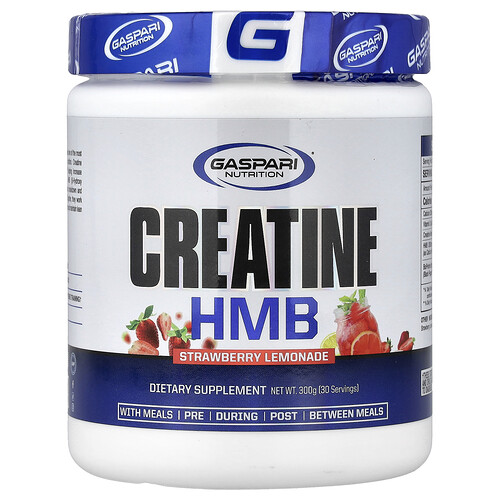
Gaspari Nutrition, Creatine HMB, Creatine HMB, Erdbeerlimonade, 300 g

References

  • • McMorris, T., et al. (2006). Effect of creatine supplementation and sleep deprivation, with mild exercise, on cognitive and psychomotor performance, mood state, and plasma cortisol and catecholamines. Psychopharmacology, 185(1), 93–103.
  • • Dolan, E., et al. (2019). Beyond muscle: the effects of creatine supplementation on brain creatine, processing and cognition. European Journal of Sport Science, 19(1), 1–14.
  • • Rawson, E. S., & Venezia, A. C. (2011). Use of creatine in the elderly and evidence for effects on cognitive function in young and old. Sports Medicine, 41(7), 509–523.
Impact-Site-Verification: -1783842792
Impact-Site-Verification: 5e234cea-dfc8-49a4-b02b-0fdaf82af643

Best Places To Visit In October: My Quick Take

Hey there! If you ask me, October might just be the absolute best month on the calendar to pack a bag and disappear for a week. The suffocating summer heat has broken, peak-season crowds have headed home, and airfares finally take a breath.

Best places to visit in October

Photo: Unsplash / Free Stock Imagery

It’s that magical sweet spot where you get top-tier experiences without constantly bumping elbows with tour groups.

Quick Analogy: Traveling in October is like sliding into your favorite popular brunch spot on a quiet Tuesday morning. You get all the incredible food and golden sunlight, but with zero waiting in line and nobody rushing you out the door.

1. Tuscany, Italy: Wine Harvest & Golden Light

If you've ever dreamed of rolling hills dipped in honey-colored sunlight, October is your moment. It’s harvest season (or vendemmia), meaning vineyards and olive groves are alive with activity.

The daytime temperatures hover comfortably in the upper 60s—warm enough to sit outside with a glass of Chianti, but cool enough that walking cobblestone alleys won't leave you drenched. Plus, white truffle season kicks off in late October, which is reason enough to visit.

2. Albuquerque, New Mexico: Crisp Skies and Flying Color

October in the American Southwest is pure magic. Albuquerque’s days are bright and crisp, offering comfortable dry weather with chilly, sweater-ready evenings.

  • The Balloon Fiesta: Hundreds of vibrant hot air balloons float against turquoise desert skies in early October.
  • The Food: Green chiles are actively being roasted on street corners—the smell alone is worth the plane ticket.

3. Kyoto, Japan: Early Leaves and Quiet Temples

While everyone talks about cherry blossom season, autumn in Kyoto might actually be better. By mid-to-late October, the sweltering summer humidity gives way to crisp mountain breezes, and the Japanese maples start turning fiery red.

Walking through the bamboo groves of Arashiyama or visiting peaceful Zen rock gardens feels much more introspective when you’re not navigating midsummer tour buses.

4. Acadia National Park, Maine: The Ultimate Flannel Getaway

Craving classic autumn vibes? Acadia serves up blazing red-and-orange foliage set directly against the moody, crashing waves of the Atlantic coast.

Early October is usually peak color season. Drive the Park Loop Road, hike up Cadillac Mountain to catch an unforgettable sunrise, and reward yourself with a hot mug of local cider and freshly made blueberry donuts in Bar Harbor.

Time to Pack Your Layers

Whether you're after world-class wine, drifting balloons, or just an excuse to wear your favorite boots, October rarely disappoints. Where are your travels taking you this fall?

Liposomal Glutathione - the one supplement where I actually felt a difference


 I started taking liposomal glutathione a while back, mostly out of curiosity after reading about cellular energy and recovery, and it turned out to be one of the few supplements I actually noticed a difference with.


If you haven’t heard of it, your body already makes glutathione—it’s essentially the master antioxidant that helps your liver process toxins and protects cells from everyday wear and tear. But standard oral capsules are notoriously useless because stomach acid destroys most of it before it reaches your bloodstream.

The liposomal version is different because it’s wrapped in microscopic fat layers that shield it through digestion, so your body can actually absorb and use it.

Here’s what I’ve personally felt and the main reasons I keep it in my routine:

  • Less afternoon drag: That heavy, sluggish mid-day fog cleared up noticeably. When cellular stress is kept in check, day-to-day energy feels much more consistent.

  • Faster bounce-back: Whether from intense days, travel, or just running thin, recovery feels way smoother.

  • Liver & detox support: Your liver relies heavily on glutathione for processing environmental junk and metabolic waste, so giving it direct support helps you feel lighter and less taxed overall.

  • Skin health: A surprising bonus—it helps quiet down oxidative stress, which translates into skin looking noticeably fresher and clearer.

 Most importantly: this is just what has worked well for my own routine. Everyone’s body and biology are different, so always make sure to consult your doctor before adding it to yours, especially if you take other medications or have any underlying conditions.

We’ve officially graduated from chatbots handing us terrible lists to autonomous "agentic" AI with direct access to our bank accounts.

We’ve officially graduated from chatbots handing us terrible lists to autonomous "agentic" AI with direct access to our bank accounts.

Instead of asking a screen for suggestions, you now tell an agent your vibe, and it books the flight, reserves the rental car, picks the boutique hotel, and auto-charges dinner before you even open the app. It sounds like luxury—until you realize you’ve effectively hired a hyperactive concierge who has never felt knee pain, never had an espresso buzz, and possesses infinite faith in connecting flights with nine-minute layovers.

An agentic model looks at a map and sees a math problem to solve with mathematical ruthlessness. It will calculate that you can finish a tour at 4:15 PM, power-walk 1.1 miles through cobblestones, and sit down at an artisanal pasta bar by 4:32 PM sharp, perfectly executing an API pipeline with zero wasted seconds.

What the model fundamentally cannot comprehend is the beauty of loitering.

It doesn’t know that halfway down that cobblestone street, you might smell roasted nuts, hear music drifting out of an unmarked courtyard, or just want to sit on a fountain ledge and watch dogs walk by for an hour. To an autonomous agent, an unscheduled detour isn't travel magic; it’s an error code.

By automating every choice, route, and transaction to eliminate friction, we’re quietly eliminating the only thing that separates travel from logistics: the right to wander off and make an absurdly great mistake.

If your software chooses where you sleep, routes where you step, and settles the bill before you look up, you aren't really on vacation. You’re just a meat-based payload being escorted around the planet by your own phone.

Beautiful Things To See In South Brasil: My Quick Take

When most people dream of Brazil, their minds immediately jump to golden tropical beaches in Rio, coconut water, or the deep green canopy of...

Popular Posts

Total Pageviews